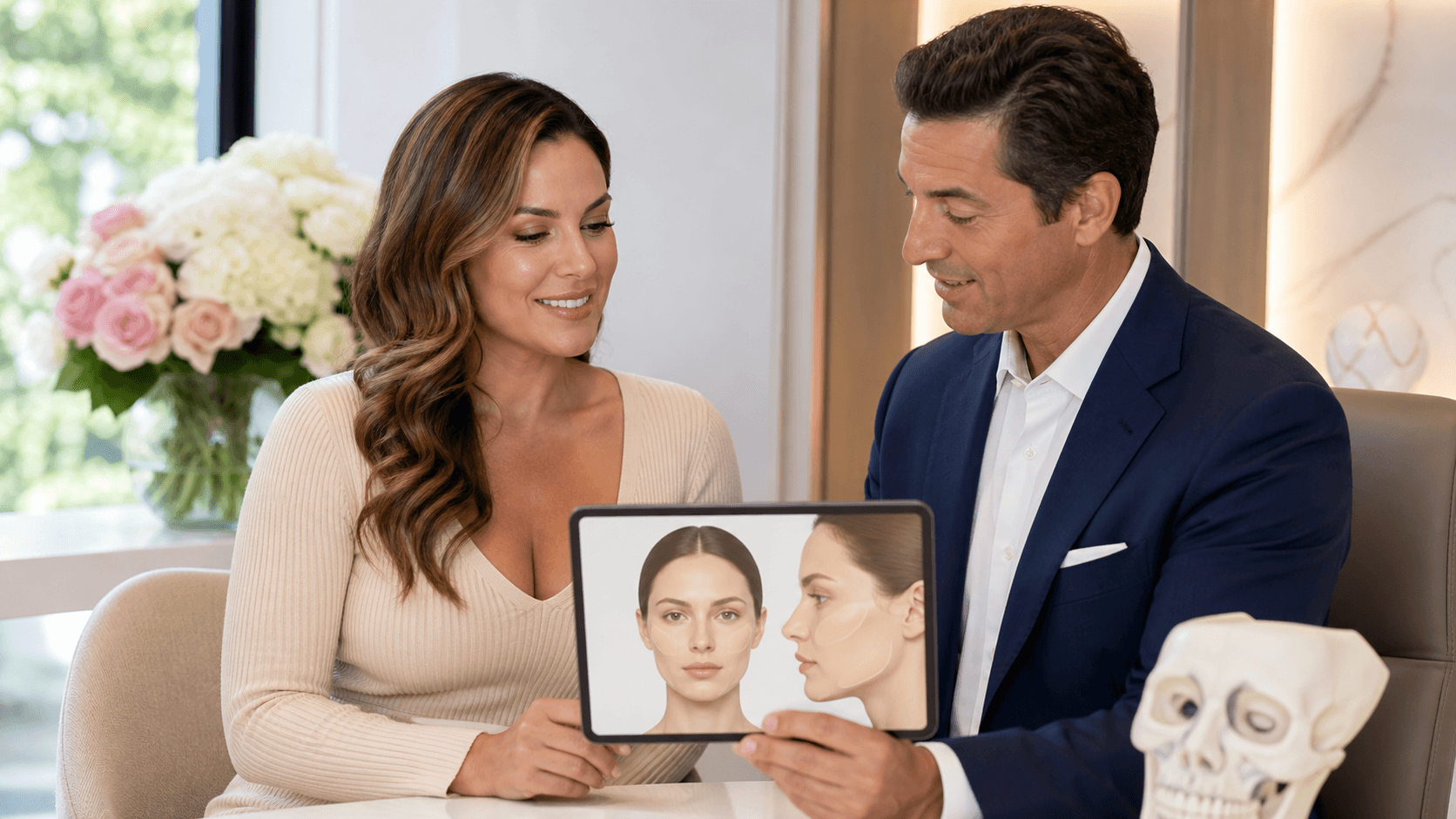
Restore a More Balanced Facial Profile After Weight Loss
Significant weight loss can bring a well-earned sense of confidence, comfort, and pride. Yet, while you may love the changes in your body, a loss of facial fullness can sometimes make you look more tired, hollow, or older than you feel. At our Newport Beach practice, we understand that facial changes after weight loss can feel surprising.
Facial fat grafting uses your own fat to restore soft, balanced volume in areas affected by deflation. Dr. Aaron Kosins approaches facial rejuvenation with an individualized eye, focusing on refined changes that support your natural features rather than changing your identity.
Why Weight Loss Can Change Facial Volume and Contours
Weight loss does not happen in just one place. As overall body fat decreases, the face may also lose some of the fat that once created smoothness in the cheeks, temples, and lower face. For some people, this creates a more sculpted look. For others, it can reveal shadows and angles that do not match how energetic they feel.
We often see volume loss become noticeable in areas such as:
- The cheeks, where reduced fullness can create a flatter or less supported appearance
- The temples, which may look more hollow as facial fat stores decrease
- The under-eye area, where shadows can appear more pronounced
- The folds around the nose and mouth, which may seem deeper without surrounding volume
- The jawline and lower face, where changes in soft tissue can affect overall balance
When facial volume is reduced, fine lines, folds, and mild skin laxity may stand out more. This does not mean anything is wrong with your weight-loss results. It simply reflects the way facial skin, fat, and bone structure work together.
Every face responds differently. Age, genetics, skin quality, bone structure, the amount of weight lost, and how quickly the weight changed can all affect the outcome. During an evaluation, we look beyond a single area of concern to understand how these factors shape your full facial profile.
How Facial Fat Grafting Restores Natural-Looking Fullness
Facial fat grafting in Newport Beach is a procedure that transfers carefully processed fat from one area of your body to areas of facial volume loss. The goal is not to fill every line or create a dramatically different face. Instead, we use fat strategically to restore smoother transitions, softer contours, and a more rested appearance.
Treatment planning may include areas such as the cheeks, temples, tear troughs, lips, jawline, and nasolabial folds. Not everyone needs treatment in every location. A fuller cheek may improve the appearance of the area below the eyes, while carefully placed volume near the temples can bring more balance to the upper face. Our approach is based on your anatomy, not a standard template.
Using your own fat has a particular appeal for facial rejuvenation. Once healed, retained fat can feel soft and integrate naturally with the surrounding tissue. Because it is your own tissue, it can create a look that feels consistent with the rest of your face.
Fat grafting also requires patience. Some transferred fat is naturally reabsorbed during healing, so we plan treatment with this process in mind. The final result develops gradually as swelling settles and the retained fat becomes part of the facial contour.
Personalized Planning Creates Refined Facial Rejuvenation
Successful rejuvenation is about more than adding volume. A face can look hollow in one area but overly full in another, which is why we assess proportions from multiple angles. Skin quality, facial movement, existing fullness, and the relationship between the cheeks, eyes, jawline, and lips all matter.
Conservative placement is especially important. Adding too much volume or placing it in the wrong plane can leave a face looking unnatural. We focus on thoughtful adjustments that preserve your expressions and the features that make you recognizable as yourself.
Your treatment plan may consider:
- Where volume loss is creating shadows or imbalance
- Whether skin laxity is contributing to the appearance of deflation
- How your face looks at rest and in motion
- The degree of change that fits your goals
- Whether another facial rejuvenation procedure may be appropriate to discuss
For some people, fat grafting is performed as a standalone treatment. In other cases, we may consider it alongside another facial procedure when volume loss is only one part of the concern. The right plan depends on what is happening beneath the skin, not simply on what appears in a photo or mirror.
What to Expect During Recovery and Long-Term Results
Recovery after facial fat grafting generally includes temporary swelling and bruising in both the face and the area where fat is collected. Early swelling can make it difficult to judge your outcome right away. Allowing time for the transferred fat to settle is an important part of the process.
We guide you through postoperative care based on your treatment plan and recovery needs. As the initial swelling improves, the facial contours begin to look more natural. Because some fat cells do not survive the transfer, changes continue to develop over time. The fat cells that do remain can provide lasting improvement in facial softness and contour.
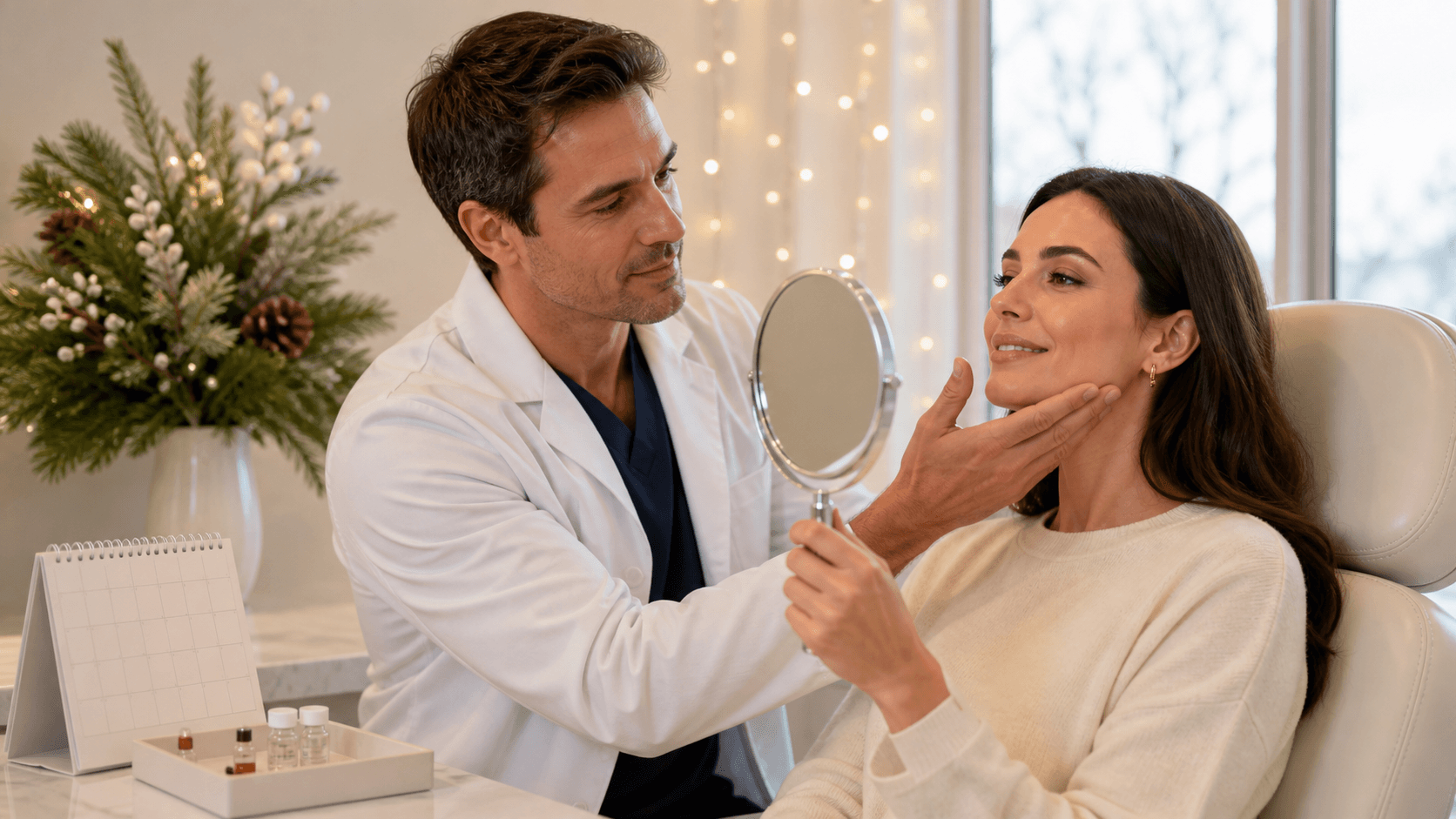
September can be a practical time to begin considering post-summer facial rejuvenation. Fall often gives people room in their calendars to recover before holiday gatherings, family photos, and year-end events. Since sun exposure can be part of everyday life in Southern California, we also discuss how to protect healing skin as you return to normal routines.
Find Out Whether Facial Fat Grafting Fits Your Goals
If your face feels less like you after weight loss, it may help to think in terms of balance rather than chasing a completely different look. A personalized evaluation with Dr. Aaron Kosins can determine whether facial fat grafting in Newport Beach fits your anatomy, skin quality, and goals for natural-looking facial volume.
The best facial rejuvenation plan respects the changes you have worked hard to achieve while addressing the areas that no longer reflect how you feel. Thoughtful volume restoration can soften hollows, support facial harmony, and keep the focus on a refreshed version of you.
Restore Volume With A Personalized Plan
At Dr. Aaron Kosins MD, we tailor each treatment plan to your facial structure, goals, and recovery needs. Learn whether facial fat grafting in Newport Beach may be appropriate for you during a private consultation. When you are ready to discuss your options, contact us to schedule an appointment with our team.