
How Plastic Surgeons in Newport Beach, CA Assess Surgical Readiness
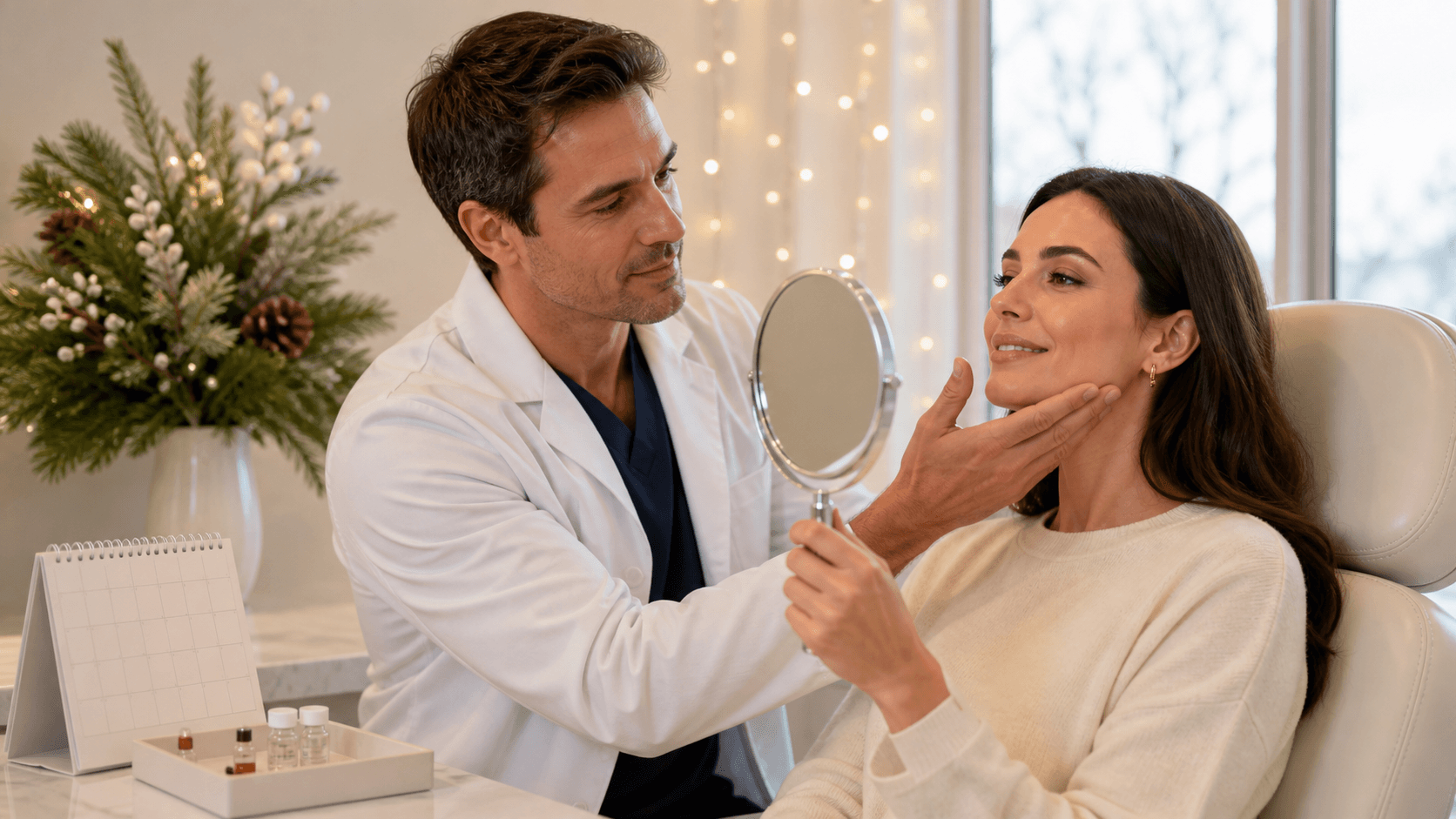
Surgical readiness is about much more than choosing a procedure and picking a date. When we meet with you, we look at your health, your goals, and your ability to recover safely. A thoughtful consultation helps us match what you hope to change with the real experience of surgery, healing, and long-term results.
Every person brings different needs to the conversation. Someone considering rhinoplasty may need a different evaluation than someone planning breast surgery, body contouring after weight loss, or facial rejuvenation. If we suggest waiting before moving forward, it is not necessarily a "no." Time to complete medical clearance, stop nicotine use, stabilize weight, or review medications may support a safer and more predictable experience.
Start with a Safety-Focused Surgical Plan
Before discussing technique or timing in detail, we begin by listening. We want to understand what concerns you, what result you hope to see, and what daily life will look like during recovery. A safe surgical plan considers the procedure itself along with anesthesia, healing, scarring, comfort, and follow-up care.
Readiness is personal. Your age, anatomy, health history, prior procedures, and support system can all shape our recommendations. Rather than applying the same checklist to everyone, we use the consultation to identify details that may need more attention before surgery.
A recommendation to delay can be a positive part of planning. For example, we may ask you to allow time for:
- Medical clearance or testing when appropriate
- A stable weight before breast surgery or body contouring
- Changes to medications or supplements under the direction of your prescribing clinician
- A period without nicotine exposure
- A recovery schedule that does not conflict with major obligations
Thoughtful preparation gives you room to make decisions without feeling rushed by a calendar date.
Review Health History and Physical Readiness
Your medical history helps us plan with care. We encourage you to share complete and accurate information, even if something seems unrelated to cosmetic surgery. Conditions such as high blood pressure, diabetes, heart or lung concerns, autoimmune disorders, sleep apnea, bleeding issues, prior surgeries, or past wound-healing problems may affect planning and recovery.
Medication review matters just as much. During your consultation, we discuss prescription medicines, over-the-counter products, herbal supplements, alcohol use, and nicotine exposure. Some products may affect bleeding, anesthesia, circulation, or healing. Nicotine includes more than cigarettes. Vaping, nicotine gum, patches, and other nicotine-containing products should all be discussed openly.
The physical examination helps us determine whether a procedure fits your anatomy and current condition. For rhinoplasty, we may assess nasal structure, breathing, skin characteristics, and facial balance. With breast surgery and body contouring, we look at factors such as skin quality, tissue characteristics, and weight stability. When needed, we may request lab work or clearance from another member of your medical care team.
Clarify Goals Through an Informed Consultation
Clear goals lead to better conversations. Rather than focusing only on a celebrity image, filtered photo, or passing trend, tell us what you would like to improve. You may be concerned about nasal asymmetry, changes in breast volume, signs of facial aging, or loose skin after weight loss. Those details help us explain what may be surgically achievable for you.
Plastic surgery can create meaningful changes, but it cannot create perfection or promise one exact result. We discuss the limits of surgery as openly as the possible benefits. In rhinoplasty, for instance, swelling changes gradually and nasal anatomy affects the final appearance. Facial procedures, breast surgery, and body contouring also involve scars, healing time, and natural limits that deserve a full conversation.
Emotional readiness belongs in the process, too. We want you to feel that surgery is a personal decision, not something driven by pressure from a partner, family member, social media, or a stressful life event. If expectations seem out of step with what surgery can do, or if life feels especially unsettled, taking more time may be the right choice.
Useful questions to consider before a consultation include:
- What specific feature or concern would I like to address?
- Am I prepared for scars, swelling, and a gradual healing process?
- Am I making this choice for myself?
- Can I follow activity limits and aftercare instructions?
- Do I have time to recover without rushing back to major commitments?
Plan Recovery Around Your Lifestyle and Support
Recovery is part of the procedure, not an afterthought. Before choosing a surgical date, we encourage you to think honestly about work, school, travel, exercise, childcare, and social plans. Swelling, bruising, activity restrictions, and follow-up visits all take time. Surgery is rarely a good fit for a tight deadline before an important event.
Support can make the first part of recovery more manageable. Depending on your procedure and care plan, you may need transportation after surgery and a trusted adult nearby during the early recovery period. Help with meals, medications, pets, children, household tasks, and lifting can lower stress when you need to rest.
Fall often brings busy schedules, including back-to-school routines, holiday gatherings, and year-end travel. If you are considering surgery before a family event or vacation, build in more time than you think you may need. Healing tissues also need protection from heavy activity, direct sun exposure, and travel demands. We can help you talk through whether your preferred timing is realistic for the procedure you are considering.
Consider Procedure-Specific Factors and Timing
Rhinoplasty requires a detailed look at the whole nose and face. At our practice, Dr. Aaron Kosins may discuss advanced options such as preservation rhinoplasty or Piezo rhinoplasty when they fit a patient's needs. The right approach depends on factors such as nasal shape, breathing function, cartilage support, skin thickness, facial proportions, and any prior nasal surgery.
Breast surgery and body contouring often call for stable conditions before surgery. Major weight changes afterward can affect breast shape, skin, and body contours. We also discuss practical parts of recovery, including scar care, garments when recommended, limits on lifting, and a gradual return to strenuous activity.
Facial rejuvenation deserves equally careful timing. Visible swelling and bruising can take time to settle, and the return to normal activities is gradual. If you are hoping to look refreshed for a holiday gathering or special occasion, we will discuss the recovery window honestly rather than planning around an unrealistic deadline.
Make Readiness the Priority
A consultation is a chance to share your full health history, ask direct questions, and talk about both your aesthetic goals and your recovery needs. The right time for surgery is when medical preparation, informed expectations, personal motivation, and practical support line up.
Taking the time to prepare can make the process feel calmer and clearer. When you understand the procedure, protect your recovery time, and follow the plan created for your needs, you can make a more informed decision about plastic surgery.
Personalized Answers for Your Breast Lift Goals
At Dr. Aaron Kosins MD, we take time to listen to the changes you would like to address and explain what a breast lift may achieve. Our plastic surgeons in Newport Beach, CA can help you explore breast lift options tailored to your anatomy and aesthetic goals. To arrange a private consultation, contact us today.